
we're more than a pretty outfit
we have a story to tell, too!
Plenty of Indonesian textiles have philosophies and history attached to their motifs. That piece you've got your eye on? Keep scrolling to dig deeper and we hope its meaning resonate with you!*
*can't find your garment motif? we work with modern motifs that are made using the same ancient techniques
Type of Textiles
LURIK (hand woven)
LURIK is a textile from Yogyakarta, whose existence was first mentioned in a 9th Century inscription (god knows, it could be older!) Created just like in the 9th Century, from cotton picking to making the strings, from dyeing to weaving with non-mechanical looms, all done by hand. LEARN MORE
BATIK (hand drawn)
BATIK (pronounced "baa-tick") originated from Java and is a UNESCO recognised Masterpiece. A painstakingly long process of hand drawing or hand stamping directly onto fabric, dyeing, drying - in a process that repeats again and again, one colour at a time. A labour of love and the true definition of slow fashion. LEARN MORE
JUMPUTAN (hand dyed)
JUMPUTAN a tie dye technique iconically recognised by its symmetrical, geometric patterns which imitates the stars and cosmic harmony. To wear it is to invite blessings and divine guidance. The art of Jumputan is practiced beyond Java, including the islands of Sumatra & Bali, with patterns influenced by their own individual cultures. LEARN MORE
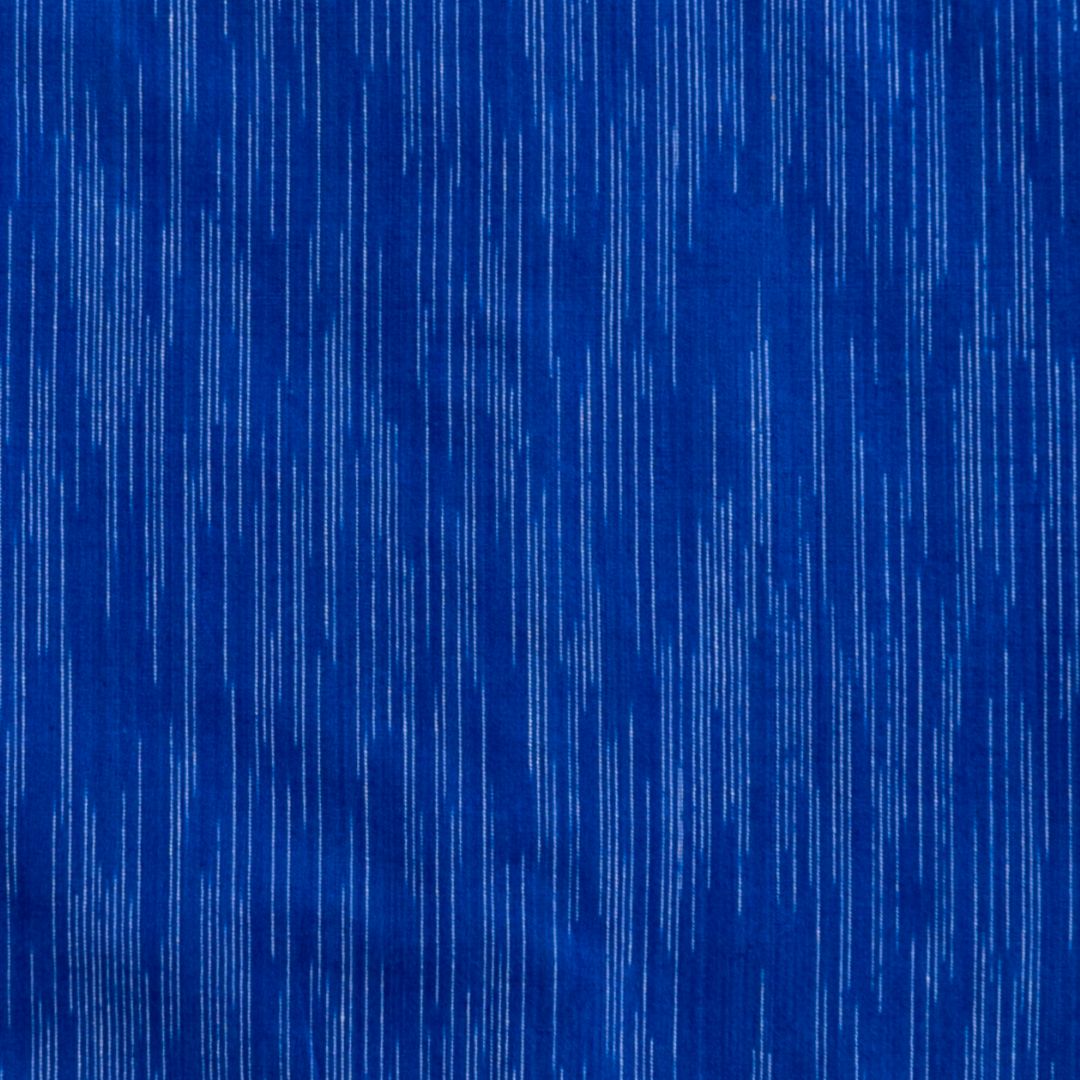
LURIK (HAND WOVEN)
Udan Liris
This motif is called Udan Liris, a traditional Batik pattern created as a symbol of hope. Inspired by Kejawen, the Javanese spiritual tradition, it represents raindrops and the arrival of the rainy season — the first stage of planting in rice paddies. Traditionally, it is a prayer for a good harvest and is believed to bring success, prosperity, and good fortune to those who wear it.
CARE - Our lurik are hand woven require special care - we recommend washing at 30 degrees & dry flat.
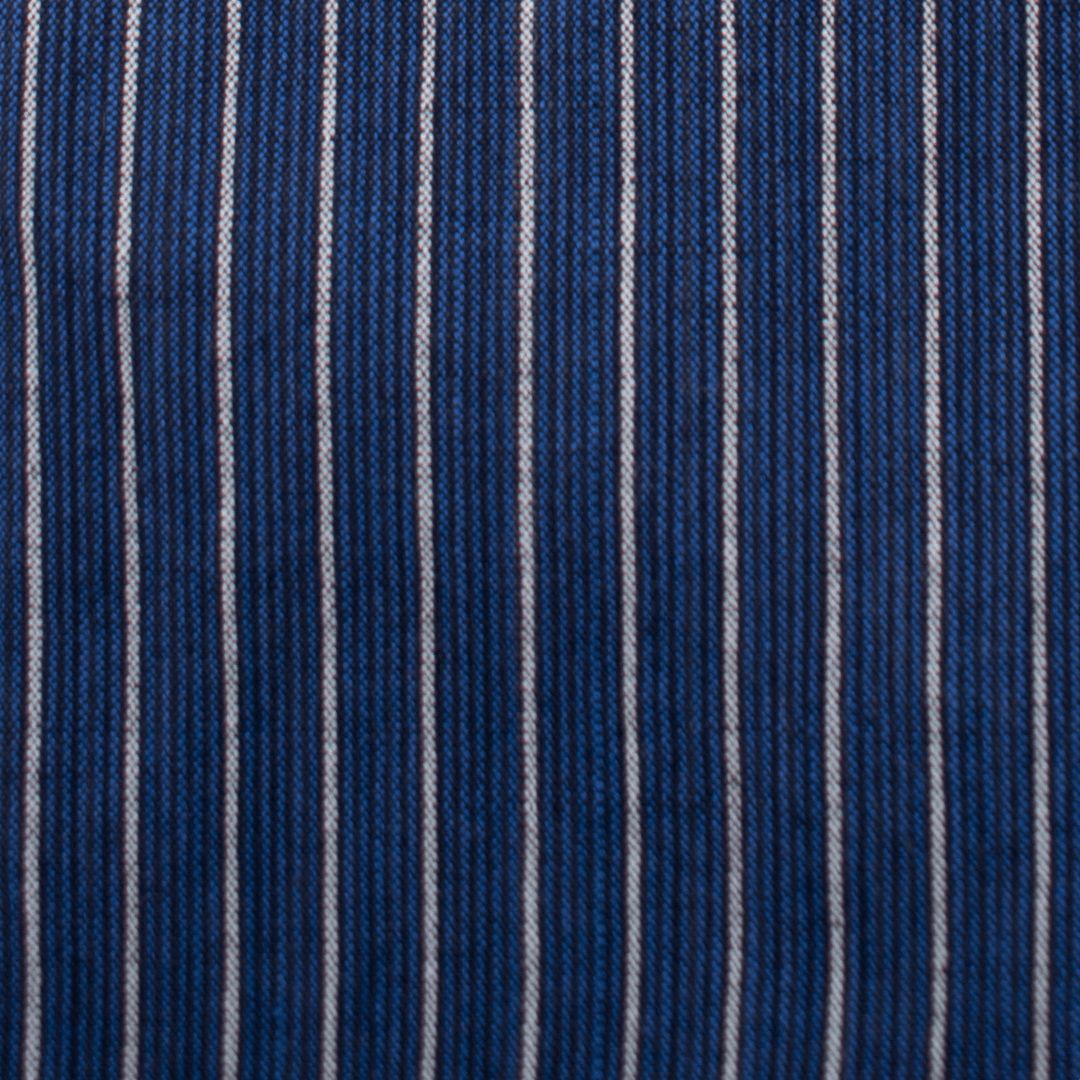
LURIK (HAND WOVEN)
Kembang Mindi
The motif is named KEMBANG MINDI after the Mindi flower, which locals in Yogyakarta deem to be "the most useful plant", every part of which from root to leaf can be used and is a core part of traditional Indonesian medicine. This motif was designed to inspire the wearer to embody the Mindi plant, and become a reliable and useful individual to the community.
CARE - Our lurik are hand woven require special care - we recommend washing at 30 degrees & dry flat.

JUMPUTAN (HAND DYED)
Jumputan
The Jumputan (the rainbow kain in Javanese) motif is a form of tie dye that translates to "picking something up using the finger-tips". It originated in China and brought to Indonesia by Indian merchants. It is practiced across the archipelago, with motif designs influenced by the individual cultures of Bali, Sumatra and beyond.
CARE - Our jumputan are hand dyed & require special care - we recommend hand washing with soft detergent & avoid contact with lighter colored items to prevent color transfer.
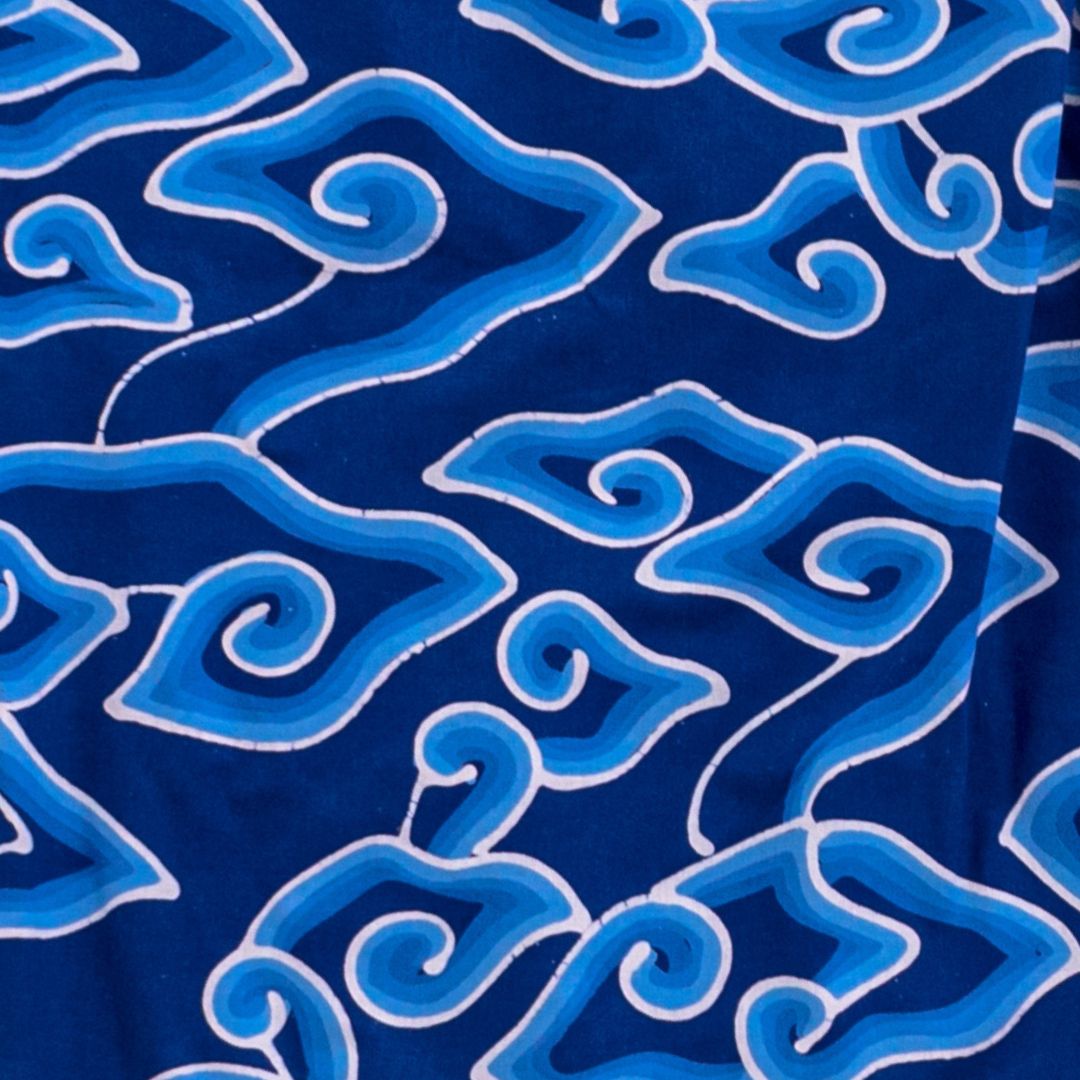
BATIK TULIS (HAND DRAWN)
Mega Mendung
Mega Mendung is one of the oldest and most iconic batik motifs from Cirebon, West Java. Characterized by the gradations of colour, the intricate design is believed to be inspired by Taoism in which clouds represent Nirvana and illustrates a broad and limitless sky. It is a motif that is associated with wisdom and leadership, encouraging its wearer to remain calm and cool in the face of adversity, like a cloudy sky, to feel & accept your emotions without letting it "rain", for nothing is resolved in a storm.
CARE - Our Batik are hand dyed & require special care - we recommend hand washing with soft detergent & avoid contact with lighter colored items to prevent color transfer.

MYTHICAL CHARACTERS
Rama
Inspired by the Indonesian Wayang art of "shadow puppetry" originating from Java and dates back to 800 AD. With its iconic puppet designs made of buffalo hide, moving behind a screen and lantern to perform a spectacle that offers a guide to life told through ancient tales and Hindu epics - one of which is Ramayana - a classic tale of good vs evil.
This well loved "wayang" design is of Rama, the legendary hero of the story.
CARE - We recommend washing at 30 degrees & dry flat.

Mythical characters
Sita
Inspired by the Indonesian Wayang art of "shadow puppetry" originating from Java and dates back to 800 AD. With its iconic puppet designs made of buffalo hide, moving behind a screen and lantern to perform a spectacle that offers a guide to life told through ancient tales and Hindu epics - one of which is Ramayana - a classic tale of good vs evil, featuring two lovers Rama and Sita.
This well loved "wayang" design is of Sita, the godess and love interest of the famous tale.
CARE - We recommend washing at 30 degrees & dry flat.